Why HIPAA Infrastructure
Compliance Matters
Healthcare organizations face escalating threats. The cost of non-compliance includes civil penalties, operational shutdown, reputational damage, and patient trust erosion.
Ransomware Attacks
Healthcare is the #1 targeted sector for ransomware, putting patient care and ePHI at direct risk.
Unauthorized Record Access
Insider credential misuse and weak access control policies expose patient health information.
Legacy Access Control Systems
Outdated physical and digital access infrastructure cannot meet modern HIPAA Security Rule requirements.
Insecure Medical Device Networks
Unsegmented IoT medical devices create exploitable attack surfaces across clinical environments.
Incomplete Audit Logging
Organizations fail HIPAA audits due to gaps in system activity logging and access event monitoring.
Regulatory Enforcement Risk
Civil penalties, operational shutdown, and reputational damage from non-compliance are escalating.
MOC1 Solutions Designs Infrastructure That Supports:
What Is HIPAA?
HIPAA (Health Insurance Portability and Accountability Act) establishes national standards for protecting sensitive patient health information.
The HIPAA Security Rule requires safeguards across three domains:
MOC1 Solutions focuses on implementing the infrastructure controls that support these requirements.


Technical Controls That Protect ePHI
Four critical technical safeguard areas where MOC1 delivers infrastructure-level compliance engineering.
Access Control
MOC1 integrates secure identity enforcement through ICAM-aligned architectures.
- Unique user identification
- Role-based access control (RBAC)
- Multi-factor authentication (MFA)
- Automatic logoff
- Identity lifecycle management
Audit Controls
We design infrastructure with auditability engineered in.
- System activity logging
- Access event monitoring
- Alerting for unauthorized attempts
- Centralized logging dashboards
Integrity Controls
PKI-based trust architecture ensures data validity end to end.
- Encryption at rest and in transit
- Secure firmware and device authentication
- PKI-based trust architecture
- Data validation mechanisms
Transmission Security
Zero Trust network enforcement protects ePHI in motion.
- Encrypted network communications
- Segmented clinical networks
- Secure remote access
- Zero Trust network enforcement
Protecting Facilities & Physical Access
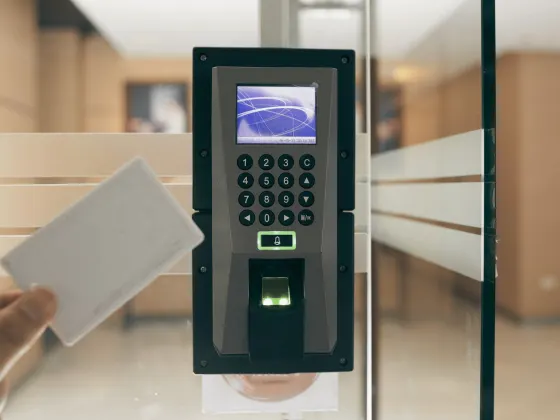
Physical safeguards protect healthcare facilities, workstations, and devices from unauthorized access and tampering.
Identity + facility control = reduced breach exposure.




Move Beyond Perimeter-Based Security
Healthcare must adopt a Zero Trust posture. Every user, device, and session must be continuously validated — not implicitly trusted based on network location.
Zero Trust strengthens HIPAA compliance by minimizing implicit trust across clinical environments.
AI in Healthcare Requires Governance
As healthcare integrates AI-driven diagnostics and analytics, governance becomes critical. AI must be secure, auditable, and governed.
Where Organizations Often Fall Short
Our structured assessment identifies and prioritizes remediation for the most common HIPAA infrastructure gaps.
HIPAA Infrastructure Maturity Model
Benchmark your organization's current state and define a clear path to full compliance.
Policies exist on paper but infrastructure controls are not enforced.
Basic user authentication and role assignment in place.
Clinical networks segmented and audit logging active across key systems.
Continuous validation, device trust, and identity-first access across all environments.
Fully automated compliance reporting, real-time threat response, and AI-governed access.
HIPAA Modernization Roadmap
A structured, security-first methodology for achieving HIPAA infrastructure alignment.
Phase 1 — Assessment
- Infrastructure review
- Identity architecture analysis
- Physical access evaluation
- Compliance gap mapping
Phase 2 — Secure Architecture Design
- Identity modernization blueprint
- Network segmentation plan
- Encryption strategy
- Logging & monitoring framework
Phase 3 — Deployment
- Secure access control integration
- MFA & RBAC rollout
- PACS modernization
- Encrypted communications implementation
Phase 4 — Continuous Monitoring
- Real-time audit dashboards
- SLA tracking
- Periodic compliance validation
- Incident response support
Why MOC1 Solutions?
We don't provide legal advice. We build secure systems that support regulatory compliance.
We architect resilient healthcare ecosystems built to withstand operational pressure, regulatory scrutiny, and evolving threats.

 Translate